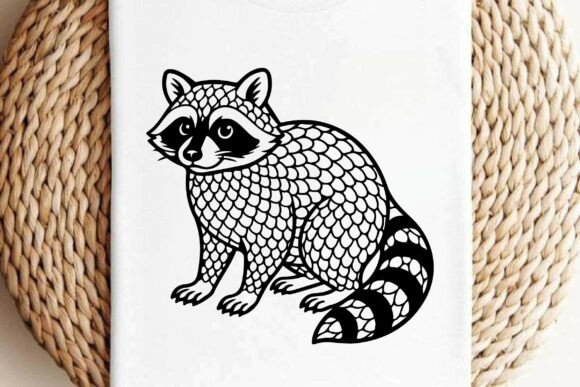
Flower Crown Peeking Raccoon Clipart Review
As a designer who spends half my life troubleshooting stitch errors and the other half trying to make handmade goods look professional, I don’t just buy clipart—I vet it. When Flower Crown Peeking Raccoon Clipart landed on my desk, I didn’t immediately think “cute.” I thought about hoop space, thread tension, and whether this would actually sell in a boutique setting. After running through a mental checklist of real-world application, here is my honest evaluation of how this design holds up for embroidery projects, small business merchandise, and personalized gifts.
First Impressions: Mood and Visual Personality
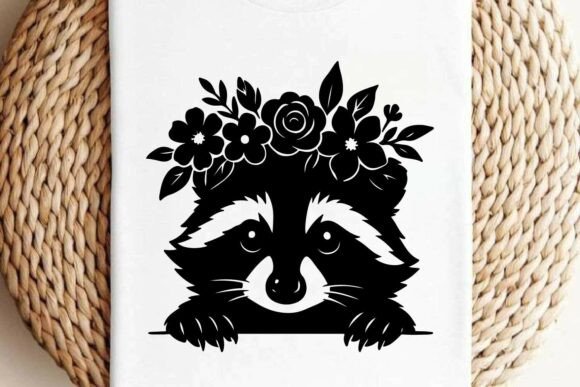
The immediate appeal of this illustration lies in its playful duality. It isn’t just a raccoon; it’s a raccoon with personality. The "peeking" aspect creates a sense of curiosity that translates surprisingly well into static media like embroidery. From a design perspective, the composition feels balanced. The flower crown adds a layer of whimsy without overwhelming the subject, which is crucial when you are scaling a design down for a baby onesie or up for a tote bag.
The visual weight is centered enough to work as a focal point but organic enough to feel hand-crafted. This matters because modern consumers, particularly those buying from Etsy sellers or craft fair booths, are looking for items that feel personal rather than mass-produced. This design strikes that balance. It feels like something you’d find in a high-end nursery or a trendy coffee shop, not a generic discount store. The mood is lighthearted, approachable, and distinctly feminine-leaning, which gives you a clear target audience right out of the gate.
Real-World Application: Where This Design Shines
I’ve been testing various designs for potential use in custom apparel and home decor, and Flower Crown Peeking Raccoon Clipart has specific strengths that make it a versatile asset for a craft business.
- Custom Apparel and Sweatshirt Embroidery: The contrast between the wild nature of a raccoon and the delicate floral element works beautifully on neutral tones. Imagine this embroidered on a heather grey sweatshirt or a soft cream t-shirt. The design commands attention without being aggressive. It fits perfectly into the current trend of cottage-core aesthetics mixed with urban streetwear.
- Baby Embroidery and Nursery Decor: This is perhaps the strongest use case. Parents love unique, non-traditional themes for nurseries. A raccoon with flowers is memorable. It works exceptionally well as an embroidered patch on denim overalls or stitched directly onto muslin blankets. The theme suggests innocence and playfulness, which drives engagement for personalized gift listings.
- Tote Bag Design: For the Etsy seller or market vendor, a tote bag is a staple. This design scales well. Whether you are using it as a large chest print on a canvas tote or a smaller pocket detail, the lines remain distinct. It adds value to what might otherwise be a plain commodity item.
- Holiday Embroidery and Gifts: While not explicitly Christmas-themed, the floral and natural elements fit well into spring, summer, and even winter holiday gifting (think "just because" gifts). It serves as a great filler product for a small shop product lineup—something customers can add to their cart alongside larger purchases.
Technical Considerations for Embroidery Designers
Here is where we move from "pretty picture" to "functional machine embroidery design." As a reviewer, I have to look at the technical execution. Since this is categorized under Illustrations and Graphics, converting it into a stitch file requires careful digitizing decisions.
Stitch Density and Detail: The raccoon’s fur texture and the individual petals of the flower crown present a challenge. If the digitizer uses too much fill stitch, the fabric may pucker, especially on lightweight materials. Conversely, if the details are too sparse, the face might lose character. You need to ensure the stitch density is optimized so the eyes and nose pop. A good rule of thumb is to check the black and white mockups of your digitized file to see if the negative space still reads clearly.
Thread Colors and Contrast: This design relies heavily on color harmony. In embroidery, you cannot rely on gradients the way you do in digital graphics. You must choose specific thread colors that provide enough contrast against your chosen fabric. On dark fabrics, you will need a heavy underlay or a lighter base color to prevent the design from getting lost. On light fabrics, you have more freedom, but watch out for thread sheen affecting the perception of depth.
Hoop Size and Stabilizer: Always confirm the recommended hoop size before starting. If the design is large, you risk distorting the fabric if you don’t use the proper stabilizer. For stretchy fabrics like jersey knits used in sweatshirt embroidery, a cut-away stabilizer is non-negotiable to maintain integrity after washing. For woven cottons used in aprons or pillow covers, a tear-away might suffice, but test first.
Where to Use Caution
Not every surface is created equal. There are specific scenarios where this design might struggle:
- Small Hoop Sizes: If you attempt to stitch this on a very small area, such as a child’s sock or a tiny accessory, the fine details of the flower crown may merge into a blob. Keep the minimum dimension in mind.
- Textured Fabrics: Avoid burlap, heavy wools, or highly textured knits. The needle penetration may be inconsistent, leading to skipped stitches or misalignment.
- Curved Surfaces: While possible, stitching this on a curved cap brim requires advanced technique. The flat nature of the original graphic may look distorted if not properly adjusted for the curve.
- Dense Stitch Areas: Be mindful of the raccoon’s tail and the flower leaves. If these areas are too dense, they will create a stiff, cardboard-like feel, ruining the soft aesthetic of the piece.
Impact on Product Value and Brand Consistency
Using a high-quality digital embroidery file like this elevates your brand. Customers can often tell the difference between a cheap iron-on transfer and a professionally executed embroidery job. When you use a design with strong visual personality, you build trust. It signals that you care about the details.
For commercial embroidery projects, this design offers versatility. It doesn’t pigeonhole you into a single niche. You can pivot from selling custom apparel to kitchen towels or pillow covers without changing your core aesthetic. This consistency helps with brand recognition. Your customers start to associate that specific whimsical style with your shop.
Furthermore, the "peeking" motif is inherently shareable. In the age of social media marketing, products that evoke an emotional response—like "aww, how cute!"—are more likely to be photographed and shared by buyers. This free user-generated content is invaluable for any creative entrepreneur.
Final Verdict and Practical Advice
Flower Crown Peeking Raccoon Clipart is a solid addition to any designer’s toolkit. It is charming, commercially viable, and adaptable across multiple product categories. However, success depends entirely on your execution.
- Test on Scrap Fabric: Never go straight to the final product. Run a test stitch on the exact fabric and stabilizer combination you plan to use.
- Inspect Small Details: Zoom in on your digitizing software. Are the eyes distinct? Is the crown recognizable? Adjust the stitch types if necessary.
- Check Licensing: Before listing any finished product for sale, double-check the commercial use rights of the source file. Ensure you are compliant with all terms.
- Create Printable Mockups: Use printable mockups to visualize the design on different backgrounds before committing to production. This helps you select the best fabric colors.
If you are looking to add a touch of whimsy to your handmade product line, this design delivers. It bridges the gap between cute and sophisticated, making it a safe yet stylish choice for today’s discerning buyer. Just remember: the design is only as good as the stitch quality behind it.