Boxer Raccoon Silhouette Clipart Vector Review
As a designer who spends half my life troubleshooting stitch errors and the other half trying to make handmade goods look expensive, I don’t just buy clipart; I evaluate assets for their viability in production. When Boxer Raccoon Silhouette Clipart Vector landed on my desk, my first thought wasn’t about how cute it was—though it certainly is—but whether it would hold up under the tension of an embroidery machine. We are all familiar with the disappointment of a design that looks perfect on a screen but turns into a tangled mess after three seconds of stitching. This review breaks down exactly how this machine embroidery design performs when moved from digital preview to finished product.
First Impressions and Visual Personality
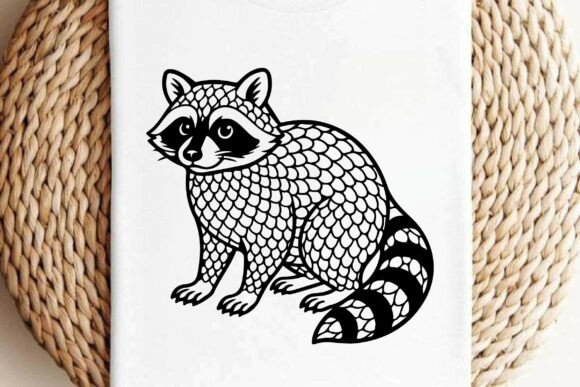
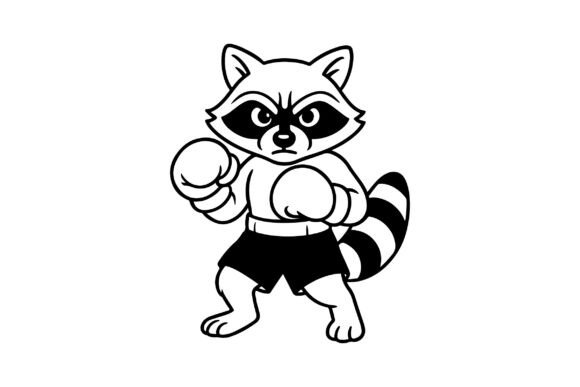
The moment you load this file, the mood is set. It isn’t just a generic raccoon; the boxer stance gives it immediate character. There is a playful aggression to the silhouette that works incredibly well for brands looking to stand out without being overly aggressive. For Etsy sellers and small shop owners, this kind of distinct personality is gold. It moves away from the saturated market of sleepy animals or standard nature scenes and offers something with attitude.
Visually, the vector nature of the source ensures clean lines. In the world of embroidery files, clean lines are non-negotiable. If the underlying shape is jagged or unclear, the digitizer has to guess, leading to inconsistent edges. Here, the solid form suggests that the resulting applique design or filled outline will have sharp definition. The visual weight is balanced, meaning it won’t feel top-heavy on a garment or get lost on a small accessory. It feels grounded, confident, and ready for print.
Real-World Application: From Screen to Stitch
Let’s talk about where this actually shines. I recently considered using a similar high-contrast silhouette concept for a batch of custom tote bag designs. The goal was to create a statement piece for a local craft fair. A complex, multi-colored scene often gets muddy on canvas, but a strong silhouette reads instantly from across a booth. Boxer Raccoon Silhouette Clipart Vector translates beautifully to this medium. When stitched onto a natural jute or heavy cotton canvas, the contrast between the thread and the fabric texture creates a tactile appeal that customers love to touch.
It also excels in the realm of sweatshirt embroidery. Think about the chest pocket area of a crewneck or a larger placement on the back. A boxer pose fits naturally within the anatomical flow of a torso. It doesn’t fight the curve of the shoulder like some awkwardly shaped characters do. For custom apparel, this design offers a streetwear vibe that appeals to a slightly older demographic than typical baby items, expanding your potential customer base.
I also envision this working exceptionally well as an embroidered patch. Patches require bold shapes because they are often viewed from a distance. The silhouette format allows for thick satin stitches around the perimeter without losing detail inside. This makes it a robust choice for commercial embroidery projects where durability and quick recognition are key. Whether it’s attached to a denim jacket or a backpack, the design maintains its integrity.
Where Caution Is Required
No design is universally perfect, and as an experienced reviewer, I need to point out where Boxer Raccoon Silhouette Clipart Vector might challenge your workflow. The most critical factor here is hoop size. Because the design relies on a specific posture, shrinking it down too far can cause the legs or tail to merge into an unrecognizable blob. You must confirm the minimum hoop size recommended by the creator before attempting to stitch it on tiny items like baby onesies or miniature tea towels. If you try to force a large-scale vector into a 4x4 inch hoop without proper scaling adjustments, you risk losing the "boxer" essence entirely.
Fabric texture is another variable. While silhouettes generally handle texture well, highly nubby fabrics like bouclé or heavy wools can obscure the fine details of the paws or facial features if the digitization includes them. On such surfaces, the design works best as a pure outline or applique rather than a dense fill. Additionally, be mindful of stretchy fabrics. If you are embroidering this on a jersey knit cap or a stretchy athletic shirt, you need a high-quality stabilizer to prevent puckering. A puckered silhouette looks cheap, regardless of how good the original art was.
Impact on Product Value and Branding
Using a unique asset like this directly impacts how customers perceive your brand consistency. In the crowded marketplace of handmade products, uniqueness is the primary driver of trust. When a buyer sees a distinctive character like this, it signals that you care about curation. It elevates a simple personalized gift into a boutique item.
Consider the emotional response. A raccoon in a fighting stance is memorable. It sparks conversation. "Is that a boxer?" someone might ask. That engagement is invaluable for social media marketing. When you post a photo of the finished product, the clear lines of the silhouette photograph well. They don’t suffer from the glare or blur that intricate, low-contrast designs often do. This makes creating printable mockups easier, as the design remains crisp even in thumbnail sizes on platforms like Pinterest or Instagram.
Furthermore, the versatility of this graphics asset extends beyond physical goods. As a digital product seller, you can use this vector in sublimation prints, heat transfer vinyl (HTV) designs, or even as a watermark for your own photography. The fact that it starts as a high-quality vector means you aren’t locked into one application. It supports a multi-channel approach to your craft business.
Practical Designer Notes for Implementation
Before you commit this design to a production run, follow these practical steps to ensure success:
- Test on Scrap Fabric: Always run a test stitch on the exact type of fabric you plan to sell. Thread behavior changes based on material absorbency and weave.
- Check Thread Contrast: Silhouettes rely heavily on contrast. Ensure your chosen thread colors pop against your fabric. Black thread on navy blue might disappear; white on cream might vanish. High contrast is your friend.
- Review Stitch Density: If the file uses fill stitches, check that the density isn’t too high for the fabric weight. Too much thread can cause the fabric to pucker or the needle to break.
- Inspect Small Details: Zoom in on the digital preview. Are the toes distinct? Is the tail clear? If details are too small, consider simplifying the design via digitizing software to remove unnecessary clutter.
- Confirm Licensing: This is crucial. Verify whether you have commercial rights to sell finished items made with this digital embroidery file. Some licenses allow personal use only, while others permit unlimited commercial sales.
- Use Proper Stabilizer: Match your stabilizer to your project. Cut-away for stretchy garments, tear-away for stable woven fabrics.
Final Verdict
Boxer Raccoon Silhouette Clipart Vector is more than just a cute animal picture; it is a functional, versatile asset for serious makers. It balances charm with edge, making it suitable for a wide range of audiences from children’s boutiques to adult streetwear brands. Its strength lies in its clarity and adaptability. As long as you respect the technical limitations regarding hoop size and fabric choice, this design will serve as a reliable cornerstone for your next embroidery project. It transforms simple materials into memorable finished products that customers will want to keep, wear, and display. For any designer looking to add a touch of playful professionalism to their catalog, this is a smart addition.