Squirrel Clipart Vector Design: A Designer’s Review
As a designer who spends more time than I care to admit staring at stitch lines and thread tension, I don’t just look at an Illustrations asset; I look at how it will translate into physical reality. When you are evaluating a Squirrel Clipart Vector Design for your next embroidery project, the question isn’t just "does it look cute?" It is "will this hold up on fabric?" This review breaks down the practical application of this specific vector asset for machine embroidery design enthusiasts, Etsy sellers, and creative entrepreneurs.
First Impressions and Visual Personality
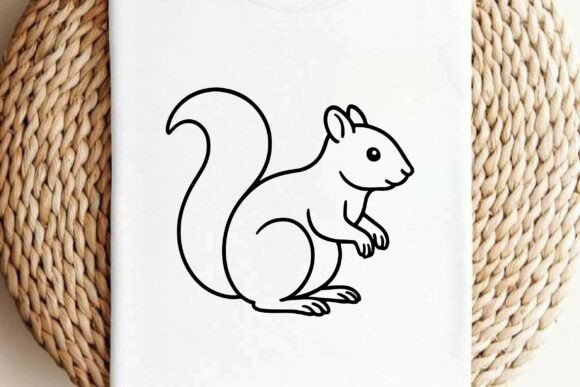
The moment you import a new embroidery file into your digitizing software, you are assessing its visual weight. The Squirrel Clipart Vector Design carries a distinct mood. It feels whimsical yet grounded, which is a delicate balance in handmade product creation. Unlike overly complex scenes that can become muddy when stitched, this design relies on clean lines and recognizable shapes. For a small shop product owner, this clarity is gold. It reads well from a distance, which is crucial for items like tote bag design variations or sweatshirt embroidery where the customer needs to recognize the subject instantly.
The theme suggests warmth and nature, making it an ideal candidate for seasonal collections. Whether you are preparing for autumn harvest markets or winter holiday gifting, the squirrel motif bridges the gap between playful and sophisticated. It doesn’t scream for attention; it invites it. This subtlety often leads to higher perceived value in commercial embroidery because it feels intentional rather than generic.
Real-World Application: The Custom Tote Scenario
Let’s imagine a real-life scenario. You have a client request for a custom embroidered tote bag for a local bookstore owner who loves nature themes. You need something that looks professional but retains a handmade charm. You pull up the Squirrel Clipart Vector Design.
Here is why this works for a tote bag design: The central placement allows the squirrel to be the focal point without overwhelming the canvas of the bag. If you were to place this on a heavy cotton canvas, the clean vector lines would likely stitch out with excellent definition. However, if you attempted this same design on a thin, stretchy linen, you might struggle with distortion unless you use a high-quality tear-away stabilizer. The design’s simplicity means it won’t require excessive hooping adjustments, saving you time during production runs for bulk orders.
Furthermore, consider the giftability factor. A personalized gift featuring this squirrel could easily be paired with a hand-knitted scarf or a ceramic mug. The design acts as a cohesive brand element for a boutique. When customers see consistent, high-quality stitching on their purchases, trust in your craft business increases. They aren’t just buying a bag; they are buying the assurance that you know how to handle design assets professionally.
Technical Performance in Embroidery
Not all vectors are created equal when converted to stitches. The success of any embroidery project depends heavily on how the digitizer interprets the original graphic. Here is how the Squirrel Clipart Vector Design typically behaves in practical situations:
- Satin Stitch Clarity: Outlines and small details rely on satin stitches. If the vector has sharp corners, ensure your digitizing software smooths them out to prevent needle breakage or puckering. This design’s organic curves generally lend themselves well to smooth satin edges, reducing the risk of jagged finishes.
- Fill Stitch Density: For larger areas, such as the body of the squirrel, fill stitches must be balanced. Too dense, and the fabric becomes stiff and unrecognizable; too sparse, and the base fabric shows through. This design’s proportions suggest a moderate density that should work well on medium-weight fabrics like denim or fleece.
- Running Stitch Accents: If the design includes whiskers or tail tips, running stitches add a nice textural contrast. These fine details enhance the visual appeal but require careful tension adjustment. Always test these elements on scrap fabric first to ensure they don’t loop or tangle.
When considering thread colors, the vector format allows you to experiment with palettes before committing. You might choose earthy tones for a rustic look or bright pastels for a nursery decor item. The ability to preview these combinations digitally saves money on wasted thread and fabric.
Where to Use It Carefully
While versatile, there are limitations. Avoid placing this design on highly textured fabrics like bouclé or thick wool, as the stitch definition will be lost. Similarly, be cautious with small hoop sizes. If you attempt to shrink the design too much, fine details may merge into a blob. There is a minimum size threshold for clarity, especially for facial features. Additionally, on dark fabric, ensure you use a high-contrast thread color or a backing stabilizer to prevent show-through, which can ruin the finished product aesthetic.
Strategic Value for Sellers and Makers
For Etsy sellers and digital product sellers, the Squirrel Clipart Vector Design offers multiple revenue streams. It can be used for physical goods like embroidered patches, aprons, and kitchen towels. But it also serves as a powerful asset for digital listings. You can create printable mockups showing the design on various products, helping buyers visualize the end result. This transparency boosts buyer engagement and reduces return rates.
In terms of brand consistency, using a unique vector like this helps distinguish your shop from competitors who might be using mass-market clipart. It signals to your audience that you curate your graphics with care. Whether you are creating holiday embroidery collections or year-round baby embroidery items, having a library of well-chosen designs builds a reputation for quality.
Practical Designer Notes for Implementation
Before you send this design to production, follow these essential steps to ensure a successful outcome:
- Test on Scrap Fabric: Never assume a vector will stitch perfectly on your target material. Run a test on the exact fabric type you plan to use.
- Check Stabilizer Compatibility: Match your stabilizer to the fabric weight. Heavy fabrics need heavy stabilizers; light fabrics need lightweight options to avoid bulk.
- Review Stitch Density: Zoom in on the digitized version. Are there any overlapping stitches that could cause jamming? Adjust density settings if necessary.
- Inspect Small Details: Look closely at the eyes, nose, and tail tip. Are they clear? Do they need simplification?
- Confirm Licensing: Before selling finished items or digital products, verify the license terms. Ensure you have commercial rights for the volume of sales you intend to make.
By treating the Squirrel Clipart Vector Design not just as a picture but as a technical blueprint, you elevate your craft. It transforms from a simple image into a profitable, professional component of your custom apparel or personalized gift offerings. With careful planning and execution, this design can become a staple in your portfolio, appealing to customers who appreciate both charm and craftsmanship.