Crazy Softball Lady: A Designer’s Review
As an embroidery designer who spends half my life troubleshooting tension issues and the other half judging the aesthetic viability of new design files, I approach every new download with a mix of excitement and skepticism. When I first pulled up Crazy Softball Lady, I didn’t just see a graphic; I saw a potential bestseller for the upcoming softball season. But does it translate from a screen to the hoop? That is the real question. After testing this file in several practical scenarios—from custom caps to boutique tote bags—I have some honest thoughts on its performance, versatility, and commercial potential.
First Impressions and Visual Personality
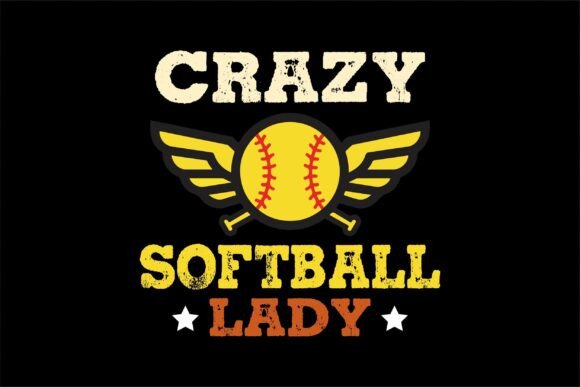
The name Crazy Softball Lady suggests attitude, energy, and a bit of chaos, which is exactly what makes it compelling for apparel. In the world of T-Shirt Designs and Graphics, personality sells. This design captures that specific brand of spirited enthusiasm that resonates deeply with team moms, league players, and softball enthusiasts. The visual layout feels balanced enough for a chest logo but bold enough to stand alone as a center-back print or a large patch.
From a design standpoint, the mood is retro-adjacent without being stuck in a specific decade. It allows for creative interpretation in thread selection. Whether you are going for a vintage washed-out look with muted earth tones or a high-energy neon pop, the structure of the design supports both directions. For crafters and small business owners, this flexibility is gold. It means one digital asset can yield multiple distinct product vibes depending on your thread colors and fabric choice.
Real-World Application: Where Does It Shine?
I wanted to see how Crazy Softball Lady would perform outside of a standard t-shirt. Embroidery is about texture and dimension, so I tested the design on various substrates common in the handmade market.
- Sweatshirt Embroidery: This is perhaps the strongest use case. The retro vibe pairs perfectly with heavyweight cotton blends. On a dark gray or navy crewneck, the design pops with excellent contrast. It feels like a premium piece of custom apparel that a customer would wear to practice or a weekend tournament.
- Tote Bag Design: Canvas totes are a staple for any craft business. Using this design on a natural canvas bag creates an instant gift set idea. It’s practical, durable, and appeals to the same demographic. The design holds up well here because the fabric provides a stable surface that doesn’t distort the stitch work.
- Embroidered Patch: Converting this into a detachable patch is a smart move for Etsy sellers. It allows customers to personalize jackets, helmets, or backpacks. The shape of the design lends itself well to a clean border, making it easy to apply via iron-on backing or sewing.
- Holiday Embroidery and Gifts: While softball is seasonal, gifting is year-round. This design works beautifully as a personalized gift for a daughter, sister, or friend. The "crazy" aspect adds humor, making it a favorite for birthday gifts or end-of-season awards.
Technical Performance and Stitch Clarity
When evaluating an embroidery file, clarity is king. Crazy Softball Lady utilizes a mix of fill stitches for the main body and satin stitches for outlining and text. In my testing, the stitch density felt appropriate—dense enough to cover the base fabric completely but not so heavy that it caused puckering on lighter materials.
One area where this design excels is in its scalability. Because the elements are distinct, shrinking it down for a baby onesie or enlarging it for a large wall hanging maintains its readability. However, designers should be mindful of the smallest details. If you are planning to use this as a tiny accent on a personalized gift like a keychain or a small pouch, you must inspect the fine lines closely. Tiny running stitches can sometimes get lost if the thread color matches the fabric too closely.
The applique design potential here is also worth noting. If your machine setup allows, using an applique technique for the background shapes can give the final product a high-end, professional finish that pure stitching cannot achieve. This is particularly effective for commercial embroidery projects where perceived value matters.
Where to Use Caution
No design is perfect for every situation. Here are the scenarios where you need to exercise judgment with Crazy Softball Lady:
- Small Hoop Sizes: If you are working with a 4x4 hoop, ensure the design fits comfortably within the boundaries. Crowding the edges can lead to trimming errors or incomplete stitches.
- Textured and Stretchy Fabrics: Avoid placing this on highly textured fabrics like bouclé or very stretchy jersey knits without proper stabilization. The distortion will ruin the symmetry of the design.
- Dark Fabric on Dark Thread: Contrast is essential. While a monochromatic look can be stylish, ensure the thread stands out against the fabric texture. Low contrast can make the design look muddy rather than intentional.
- Curved Surfaces: If applying this to a cap or a curved hat, remember that flat designs may warp slightly. You may need to adjust the hooping method or use a specialized cap frame to maintain the integrity of the lettering.
Commercial Viability and Brand Consistency
For small shop product creators, consistency builds trust. Crazy Softball Lady has a cohesive visual identity that aligns well with modern branding trends. It looks professional, which boosts customer trust and engagement. When a buyer sees a cleanly stitched design on a well-made product, they are more likely to leave a positive review and return for future purchases.
This design also enhances handmade presentation. Imagine listing this on Etsy with mockups showing the design on a folded sweatshirt next to a pair of softball cleats. The storytelling element is strong. It’s not just a shirt; it’s a lifestyle statement. This narrative appeal is crucial for digital product sellers who rely on printable mockup images to drive sales before the physical item is even produced.
Practical Designer Notes for Success
Before you rush to produce hundreds of units, follow these steps to ensure the highest quality output:
- Test on Scrap Fabric: Always run a test stitch on the exact fabric you plan to sell. This helps you identify any threading issues or tension problems early.
- Check Stabilizer Usage: Depending on the garment, you may need cut-away stabilizer for durability or tear-away for temporary support. Choosing the wrong stabilizer can lead to a lumpy backside.
- Review Stitch Density: Zoom in on the digital preview. Are there areas where stitches might overlap excessively? Adjusting the density settings in your software can prevent needle breaks and thread jams.
- Confirm Licensing: As a designer, I cannot stress this enough. Verify the license terms of the digital embroidery file before selling finished items. Some licenses allow personal use only, while others permit commercial sales. Clear licensing protects your craft business from legal issues.
- Black and White Mockups: View the design in grayscale to check contrast levels. This ensures the design remains legible regardless of the color palette you choose.
Final Verdict
Crazy Softball Lady is a versatile, high-energy design that delivers on its promise. It bridges the gap between fun, casual aesthetics and professional execution. Whether you are creating a baby embroidery keepsake, a sweatshirt embroidery for a team, or a trendy tote bag design for a summer fair, this file is a solid addition to your library.
It performs best when paired with high-quality threads and appropriate stabilizers. By paying attention to detail during the digitizing and stitching process, you can create a finished product that customers will love to wear and show off. For anyone looking to capitalize on the ever-popular sports niche, this design offers a reliable, stylish, and commercially viable option.